

The Two Behaviors I Think Every Champion Needs

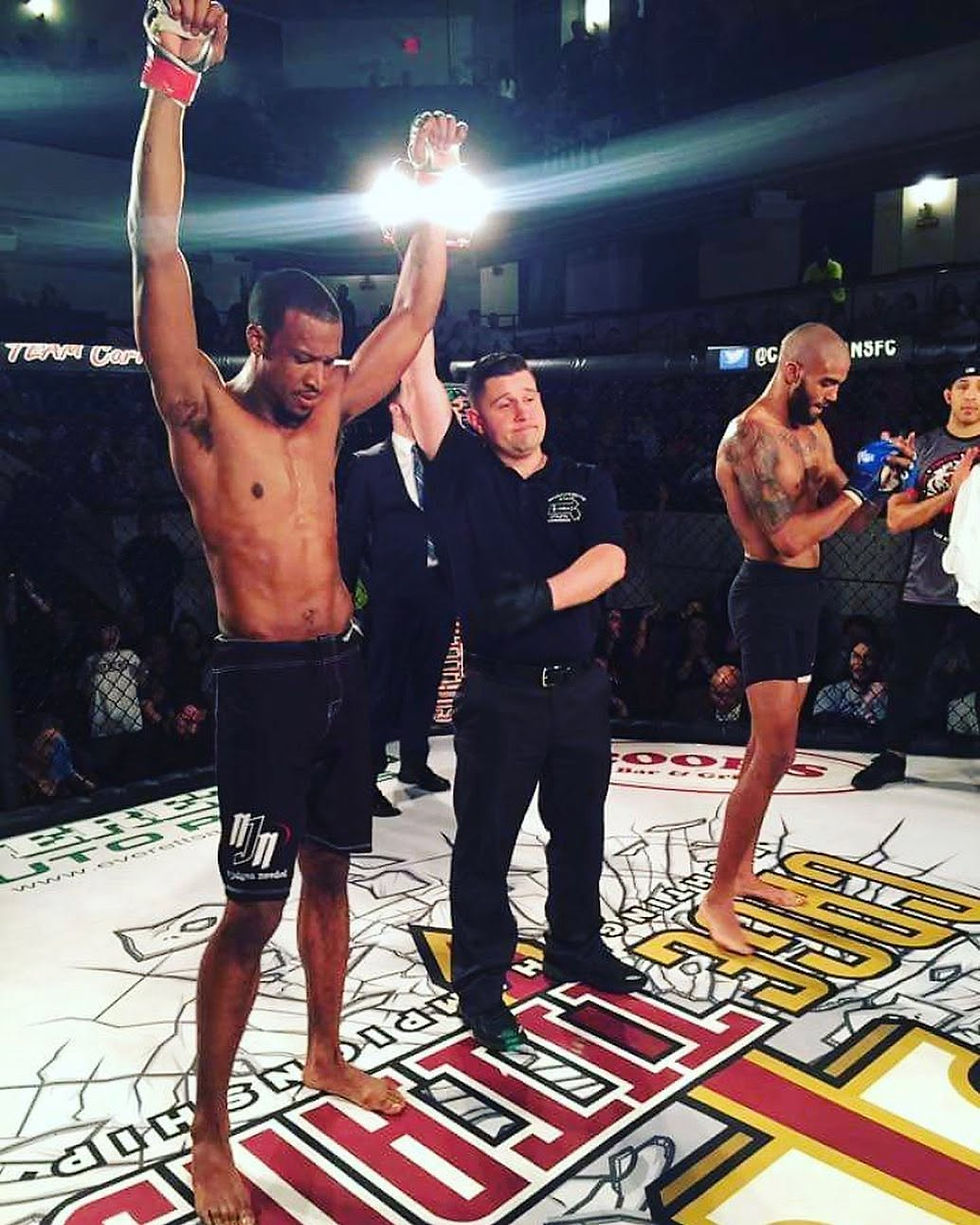
Years ago, I wrote a message to many of the top coaches and trainers I had met throughout my time in combat sports. I wanted to know what they believed separated champions from everyone else. I wasn't looking for a particular technique or training method. I wanted to know what behaviors they saw consistently in the people who eventually became exceptional.
I received a lot of different answers. After going through those responses and thinking about my own experiences in combat sports, I eventually came to a pretty simple conclusion. There are two behaviors that I think are absolutely vital for long-term success.
The first is a genuine love and enthusiasm for training.
The second is frequent, consistent practice.
That's it.
It sounds almost too simple. We've made athletic development incredibly complicated. We talk about periodization, strength and conditioning, deliberate practice, recovery, nutrition, supplementation, technology, sports psychology, specialized drills, training methodology, and countless other things. All of those things can matter, but I've come to believe that they are built on top of something much more basic.
If you don't want to train and you don't train consistently, none of the sophisticated stuff matters very much.
You Have to Actually Love Training
When I say that someone needs to love training, I don't mean that every workout has to be enjoyable. Training can be miserable sometimes. You can be tired, frustrated, or have a terrible day on the mat. You can spend an entire session getting dominated by someone who is better than you. You can work on the same technique for weeks without feeling like you're making much progress.
Loving training doesn't mean loving every moment of it. It means that, overall, you genuinely enjoy the process of training. You like learning. You like getting better. You enjoy the challenge. You enjoy being around other people who are trying to improve. You find satisfaction in solving problems that were difficult for you yesterday.
That matters because becoming good at a combat sport requires an enormous amount of repetition. You're going to spend years doing things that aren't particularly exciting. You're going to drill fundamentals you've already practiced hundreds of times. You're going to revisit positions you thought you understood. You're going to make the same mistakes repeatedly until you finally stop making them.
If you don't enjoy the process, that's going to become very difficult to sustain.
Someone who only loves the idea of being a fighter may enjoy the thought of competition, the identity, the recognition, or the excitement of winning. But eventually they have to deal with the reality that becoming a good fighter means spending thousands of hours doing ordinary training.
The people who thrive over the long term are usually the people who actually enjoy those hours.
Consistency Is Where Skill Comes From
The second behavior is frequent, consistent practice. This sounds just as obvious, but it is probably even more important.
You can't become highly skilled at something you rarely practice.
Combat sports are particularly unforgiving in this regard because there are so many layers of skill that have to develop together. You need technical knowledge, movement, timing, reactions, decision-making, physical qualities, and the ability to apply everything against resistance.
None of those develop from occasional exposure. They develop through repeated practice.
One great training session isn't going to transform you. Neither is one particularly hard week. What matters is what happens over months and years.
A person who trains consistently for five years will accumulate an enormous amount of experience compared with someone who has technically been training for five years but has only shown up sporadically. The calendar might say both people have five years of experience, but the amount of actual practice they've accumulated can be dramatically different.
That's one reason I don't think you should underestimate the power of simply showing up.
The individual session may not feel particularly important. But each session is another exposure to the skills you're trying to develop. Another opportunity to receive feedback. Another chance to solve a problem. Another opportunity to make a mistake and learn from it.
Over time, those small improvements accumulate.
These Two Behaviors Reinforce Each Other
The two behaviors are also connected. If you genuinely love training, it's much easier to train frequently. And if you train frequently, you are much more likely to experience the progress that makes training rewarding.
You learn something that used to be difficult. You notice that a technique is becoming automatic. You finally solve a problem that has been frustrating you. You start recognizing positions before they happen. You realize that something that once exhausted you is now relatively easy.
Those moments reinforce the desire to continue.
Then you train again.
The cycle continues.
This is one of the reasons I think the environment matters so much. A good training environment can make you want to come back. Good coaches, good training partners, a sense of belonging, appropriate challenges, and visible progress can turn training from something you force yourself to do into something you genuinely look forward to.
That's not just a nice benefit. It's part of the development process.
Deliberate Practice Can't Replace These Behaviors
There has been a lot of discussion in recent years about deliberate practice, and for good reason. Purposeful practice that targets weaknesses, provides feedback, and progressively challenges the athlete is a powerful way to improve.
But deliberate practice still requires practice.
You can design the world's best deliberate-practice program, but it doesn't matter if the athlete doesn't consistently do it. You can identify exactly which technical weaknesses an athlete needs to address. You can create perfectly structured drills. You can develop a sophisticated progression of resistance and constraints.
But somebody still has to show up and do the work.
This is why I think we sometimes overcomplicate athletic development. We look for a better training method when the real problem is that the athlete isn't training enough or consistently enough to benefit from any training method.
The program isn't always the problem.
Sometimes the behavior is the problem.
Strength and Conditioning Can't Fix It Either
The same thing applies to strength and conditioning. Strength training can make an athlete stronger. Conditioning can improve physical capacity. Mobility work can address limitations. Proper nutrition can support training and recovery.
All of those things are valuable.
But none of them can compensate indefinitely for an athlete who doesn't consistently practice their sport.
You can't strength-train your way into becoming a great grappler. You can't run your way into becoming a great striker. You can't optimize your recovery enough to make up for rarely training.
Strength and conditioning should support the sport. They shouldn't become a substitute for doing it.
And even the best strength and conditioning program requires consistency. The athlete has to perform the training repeatedly over a long enough period for the adaptations to occur.
Again, we're back to the same two behaviors.
The Long-Term Athlete Is Built Through Ordinary Days
One of the things I think people misunderstand about becoming a champion is how much of the process is completely ordinary.
There will be exciting days. There will be great performances. There will be breakthroughs. There will be competitions where everything comes together.
But most of the development happens on ordinary days.
You go to practice. You warm up. You drill. You struggle with something. You get tired. You make mistakes. You learn something. You go home.
Then you come back and do it again.
And again.
And again.
Eventually, those ordinary days become something extraordinary.
That's the part that is easy to overlook because there is nothing particularly impressive about showing up for another Tuesday night practice. But years later, the accumulation of those Tuesdays is what separates the person who became exceptionally good from the person who never quite got there.
What About Talent?
Talent obviously matters. So do genetics, physical attributes, coaching, training environment, opportunity, competition, and countless other factors.
I'm not suggesting that anyone who loves training and shows up consistently is guaranteed to become a champion. That's not how athletic development works.
But those two behaviors are prerequisites for making the most of whatever potential you have.
A tremendously talented athlete who doesn't enjoy training and doesn't consistently practice is going to have a difficult time reaching that potential. A less naturally gifted athlete who genuinely loves training and spends years consistently working to improve can accomplish far more than people might initially expect.
You can't control every factor that determines how far you'll go.
You can control whether you keep showing up.
Maybe the Simple Things Are the Important Things
After all these years in combat sports, I've become less impressed by complicated answers and more impressed by simple behaviors performed consistently.
I still believe in good programming. I believe in deliberate practice. I believe in strength and conditioning. I believe in good nutrition, recovery, technical instruction, progressive training, and all of the other things that help athletes improve.
But I don't think those things should distract us from the foundation.
You have to want to train.
And then you have to train.
Frequently. Consistently. For a long time.
If those two things are in place, everything else has something to build on. Your coach can refine your technique. Your strength coach can improve your physical qualities. Deliberate practice can make your training more efficient. Better nutrition can improve recovery. A structured curriculum can make sure you're developing the right skills in the right order.
All of those things can multiply the results.
But they can't replace the foundation.
That's why, after all these years, I still come back to the same two behaviors.
Love training. Train consistently.
It sounds almost too simple.
Maybe that's because it is.
And maybe the simple things are the things that matter most.


Comments