

You Work All Day. You Train All Night. Here's How to Fuel Combat Sport Training.


There is a particular kind of athlete we see all the time at BLAST. They aren't professional fighters. They have jobs, families, responsibilities and a life outside the gym. They wake up in the morning, go to work, spend eight or nine hours at their job, and then head straight to the gym after work. By 6:00 or 6:30 PM, they're expected to switch gears and spend the next two hours learning techniques, drilling, wrestling, grappling, striking and sparring.
And they want to train hard.
The problem is that many people approach their nutrition as though the only meal that matters is the one immediately before class. They might eat breakfast, have lunch sometime around noon, get busy at work, and then realize at 5:30 that they're starving and have barely eaten since lunch. So they grab a protein bar, a banana, an energy drink—or sometimes nothing at all—and expect themselves to perform for the next two hours.
Then they wonder why they feel exhausted halfway through training.
The problem isn't necessarily that they need a better supplement or a more complicated diet. They simply haven't fueled the training session before they arrived at the gym.
A hard MMA session at 6:30 PM doesn't begin nutritionally at 6:00 PM. By then, your body has already been relying on the food and fluids you've consumed throughout the day. Breakfast, lunch and the meals and snacks in between have all contributed to your ability to arrive at the gym hydrated, fueled and ready to work.
That means if you want to perform well at night, you need to start preparing for that training session in the morning.
This doesn't mean you need to spend your entire day thinking about food, eat six meals, or follow some complicated fighter diet. It means understanding how to organize the food you are already eating so that it supports the demands you're placing on your body.
And this becomes even more important if you're trying to lose body fat at the same time. You have two competing objectives: you need enough fuel to train hard, but you also need to control your total energy intake if you want to lose weight.
The answer isn't to starve yourself all day and then try to survive a two-hour MMA session.
The goal is to fuel the work while controlling the calories that don't contribute to the work.
For someone who works a full-time job and trains MMA in the evening, that is the real nutrition challenge—and it's one that can be solved with a little planning.
The Typical 9-to-5 MMA Athlete
Let's look at what often happens in the real world.
You eat breakfast at 7:00 AM
You eat lunch at noon
You get busy at work
You don't eat again
By 5:30 PM, you're starving
You grab whatever is convenient—or nothing at all—and show up to MMA.
The first hour might feel okay. Then the intensity increases. Sparring starts. Wrestling gets hard. You start feeling flat. Your technique gets sloppy. Your reactions slow down. You spend more time thinking about how tired you are than what you're supposed to be doing.
Then you get home at 9:00 PM absolutely starving and eat half the kitchen.
This isn't necessarily a motivation problem.
It's a fueling problem.
The solution is to stop thinking about the 6:30 PM class as an isolated event and start organizing the entire workday around it.
7:00 AM: Start the Day With a Real Breakfast
Breakfast doesn't have to be enormous, but it should contribute to the day's overall nutrition. Think protein and carbohydrate, with fats and other foods included according to your overall dietary needs.
Eggs and oatmeal
Greek yogurt, oats and fruit
A breakfast sandwich and fruit
Whatever works for you
The important thing is that breakfast is doing its job: contributing to your total protein intake, providing carbohydrate and beginning the process of fueling the evening session.
This is also one reason why trying to cram your entire day's nutrition into two meals can make life unnecessarily difficult. Protein is useful when it is distributed throughout the day rather than consumed in one enormous evening feeding. The combat-sports dieticians recommends approximately 1.5–2.0 g/kg of body weight per day for combat athletes, with the higher end useful when trying to gain or lose weight, and emphasizes spreading protein across several meals.
You don't need to obsess over eating every two hours. You simply need to stop going eight hours without eating and then expecting your body to perform at a high level.
10:00–11:00 AM: Don't Let Breakfast Become Lunch
A small snack during the morning can make the rest of the day much easier.
Greek yogurt and fruit
A banana and a protein source
Milk and fruit
A simple sandwich
There is nothing magical about any of these foods. They're simply convenient ways to distribute your nutritional intake instead of making lunch and dinner do all the work. This becomes particularly important for people who are trying to lose body fat. The answer to fat loss isn't to spend the entire workday starving yourself so you can "save calories" for dinner.
Your total energy intake still matters, but where you remove those calories matters if you care about training quality.
12:00–1:00 PM: Lunch Is Part of Your Pre-Workout Nutrition
This is where some people make a very common mistake. They know they're trying to lose weight, so lunch becomes:
Chicken + lettuce.
It looks healthy. (It is healthy.) But if you're training hard for two hours that evening, it may not be particularly good training nutrition.
Your lunch should generally include a meaningful carbohydrate source.
Chicken, rice and vegetables
Lean beef, potatoes and vegetables
Turkey sandwich, fruit and yogurt
Chicken burrito bowl
Again, the specific food doesn't matter nearly as much as the structure.
Protein. Carbohydrate. Vegetables. Appropriate amounts of fat.
Remember, your 7 PM training session is still six hours away. You don't need to eat lunch like you're walking onto the mat immediately afterward. But you also shouldn't deliberately eliminate the fuel you're going to need later that evening.
3:00–4:00 PM: The Forgotten Meal
If there is one thing we would change for a lot of working adults, it would be this:
Eat something in the afternoon.
This may be the single most important practical adjustment you can make.
The combat-sports nutrition guidelines recommend approximately 50–100 grams of carbohydrate around 3–4 hours before training, or a lighter carbohydrate snack closer to training, with the exact amount adjusted according to body size, energy requirements and body-composition goals.
That doesn't mean everybody needs to eat exactly 100 grams of carbohydrate at 4:00 PM.
It means that the afternoon is an opportunity to deliberately put fuel in the tank before training.
For a person leaving work at 5:00 PM, this might look like:
4:00 PM:
turkey sandwich + fruit
or Greek yogurt + cereal + banana
or oatmeal + protein + fruit
or rice + lean protein if they have access to a proper meal.
The point isn't to find the "best" food. The point is to stop arriving at MMA hungry.
5:00–5:30 PM: The Top-Off
Now we get close to training.
If you ate a substantial snack at 3:30 or 4:00, you may not need anything else.
If your afternoon feeding was small, or you have a long commute from work to the gym, a small carbohydrate-focused snack can make sense.
A banana
Applesauce
Toast with honey or jam
A small cereal bar
Fruit and yogurt
Something easy to digest
This is where food selection starts to change. A large meal containing a lot of fat and fiber might be perfectly appropriate at lunch, but it isn't necessarily what you want sitting in your stomach 30 minutes before wrestling practice. Larger meals and foods higher in fat and fiber generally require more time for digestion, and the combat-sports nutrition material recommends experimenting with foods and timing to determine what produces good performance without gastrointestinal discomfort.
So as training gets closer: Smaller. Simpler. Easier to digest.
Then You Train
Now you're ready to train. For most normal MMA training sessions, water and normal meals around training are sufficient. Sports drinks and other carbohydrate-containing products can have a place, particularly when training is exceptionally long or intense, when there are back-to-back sessions, when energy requirements are very high, or when food isn't practical. But they don't automatically need to become part of every ordinary training session.
Sports nutrition products are tools, not requirements. You don't need to drink a brightly colored carbohydrate beverage because you spent two hours at MMA. You need to eat well.
Don't Forget Hydration
The same principle applies to hydration. Don't show up to MMA at 6:30 PM and realize you've had three cups of coffee and almost no water since breakfast.
Hydration is an all-day process.
The combat-sports nutrition guidelines recommend drinking water or other non-energy-containing fluids throughout the day and with meals and snacks, arriving at training in fluid balance and using opportunities during training to consume small, frequent amounts of fluid. They also recommend periodically weighing before and after training to understand individual sweat losses. This is particularly important in a hot environment.
And remember that everybody doesn't sweat at the same rate. One person may finish a two-hour session a couple of pounds lighter. Another may lose considerably more. That's why individual assessment is more useful than blindly following somebody else's gallon-per-day rule.
For athletes who sweat heavily, electrolytes—particularly sodium—can also become relevant because sweat contains both fluid and electrolytes.
The goal is simple:
Arrive hydrated. Train hydrated. Replace what you lose.
8:30–9:00 PM: Don't Be Afraid of Dinner
This is where the fat-loss crowd often gets themselves into trouble. They finish two hours of hard MMA and think: "I'm trying to lose weight, so I shouldn't eat dinner."
That sounds logical. It isn't particularly logical if your goal is to continue training hard tomorrow.
Your post-training meal is an opportunity to provide protein and carbohydrate when they're useful for recovery. The combat-sports nutrition guidelines specifically emphasize carbohydrate soon after training to help replenish glycogen and recommend preserving pre- and post-training carbohydrate even when body-fat reduction is the goal.
So dinner might look like:
Lean meat + rice + vegetables
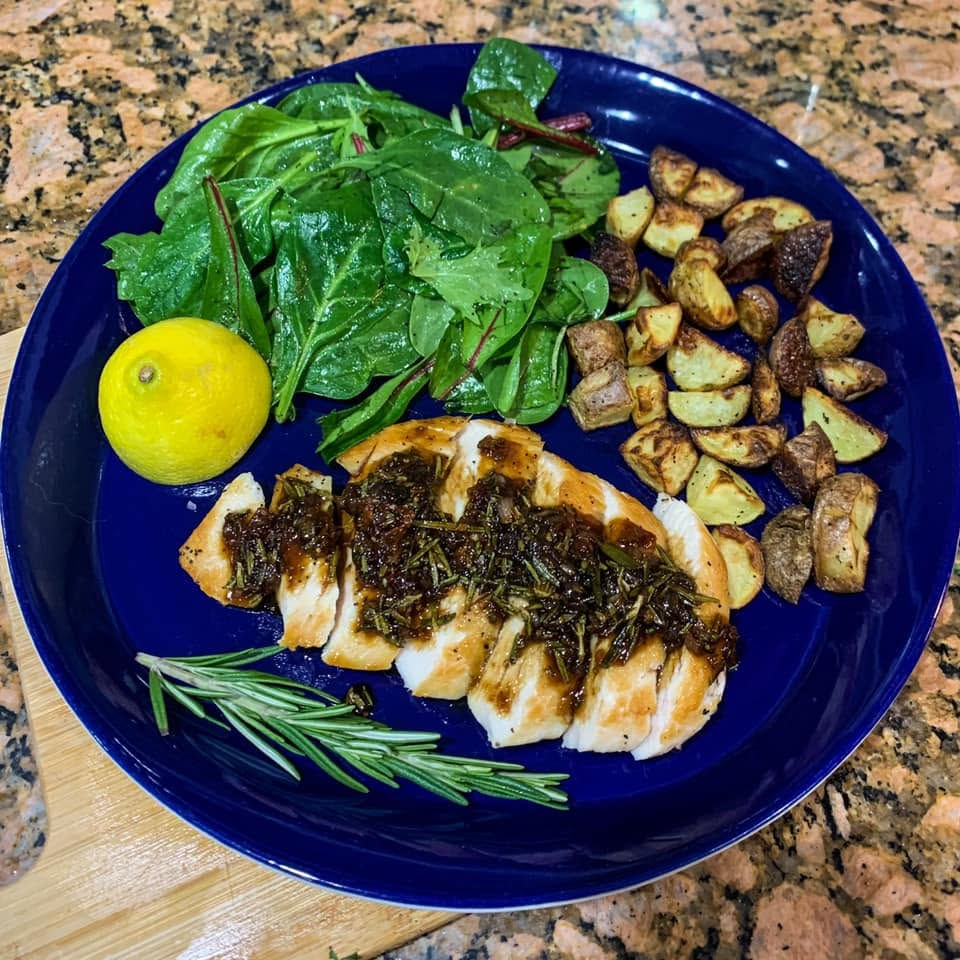
Chicken + potatoes + vegetables
Lean beef + pasta + salad
Fish + rice + vegetables
Whatever fits your dietary preferences and total calorie requirements.
You don't need to turn dinner into a reward for surviving training. You also don't need to turn it into a punishment because you're trying to lose weight.
Dinner is part of your recovery.
What If You're Trying to Lose Body Fat?
This is where the strategy becomes particularly useful. You absolutely can lose body fat while training MMA hard. But you need an energy deficit. There is no nutritional trick that gets around that.
The question is where you create that deficit.
There is a very practical answer for the recreational fighter who works full time, trains three times per week and wants to lose body fat while maximizing training: maintain adequate protein, maintain carbohydrate before and after training, reduce energy intake overall, and remove more of the energy from non-training days and meals away from training.
That is a much better strategy than simply cutting carbohydrates everywhere.
If you have to reduce calories, don't immediately start attacking the meal that supports your training.
Instead, look at the things that aren't helping you train:
The handfuls of snacks at work
The pastries in the break room
The soda
The extra sauces
The mindless evening snacking
The enormous Saturday cheat meal that somehow turned into an entire weekend
Those calories add up. And if you're trying to lose body fat while maintaining performance, you want your calories working for you.
The Simple Rule: Fuel the Work
This is probably the most important concept in the entire article.
If you train hard, fuel the work. That doesn't mean you need to eat unlimited carbohydrates. It doesn't mean you need sports drinks or that you need six meals a day.
It means that your nutritional intake should reflect the demands you're placing on your body. A high-intensity training day requires more fuel than a rest day.
The combat-sports nutrition guidelines specifically recommend adjusting carbohydrate intake according to training demands, with higher requirements as training frequency and intensity increase.
And if you're trying to lose body fat, you don't necessarily have to make your hardest training sessions the days when you eat the least. In fact, the better strategy is often the opposite: Put more of your available carbohydrate around training and reduce unnecessary energy intake elsewhere.
A Realistic 9-to-5 MMA Training Day
Here's what this can actually look like.
7:00 AM — Breakfast: Eggs + oatmeal + fruit
10:30 AM — Snack: Greek yogurt + banana
12:30 PM — Lunch: Chicken + rice + vegetables
4:00 PM — Pre-training meal: Turkey sandwich + fruit + yogurt
5:30 PM — Optional top-off: Banana, applesauce or another easily digested carbohydrate
6:30–8:30 PM — MMA: Water according to thirst and individual sweat losses; additional carbohydrate/electrolytes when the session and athlete's needs warrant it
9:00 PM — Dinner: Lean protein + rice/potatoes + vegetables
That's it. There is no magic supplement. No complicated cycling strategy. No requirement to eat every 90 minutes. No reason to fear carbohydrates. And no reason to starve yourself all day because you're trying to lose a few pounds.
You Don't Have to Eat Like a Professional Fighter
This is probably the biggest misconception we should eliminate.
If you're a recreational MMA student with a full-time job, you don't need to structure your life like a professional fighter in fight camp. You need a repeatable system that fits your life.
The professional fighter may have two training sessions per day, a strength session in the morning, two hours of technical training at night, a weight target and an entire coaching staff organizing their schedule.
You have a meeting at 10 AM
You have a deadline at 2 PM
You have to pick up your kids
You're stuck in traffic
And then you're trying to make it to MMA at 6:30
Your nutrition strategy needs to account for reality. That's why planning ahead matters.
Keep food at work
Prepare lunch the night before
Have an afternoon snack available before you get hungry
Keep an emergency carbohydrate source in your gym bag
Bring a water bottle
Know what you're eating after training
Make the good decision the convenient decision
The Bottom Line
If you work a full-time job and train MMA at night, your nutrition shouldn't revolve around finding the perfect thing to eat 30 minutes before class.
It should revolve around being ready when class starts.
Eat a real breakfast
Eat throughout the workday
Include carbohydrates at lunch
Make the afternoon feeding a priority
Use a small, easily digested snack before training if you need one
Hydrate throughout the day instead of trying to catch up at the gym
Train hard
Eat dinner
And if you're trying to lose body fat, create your calorie deficit intelligently rather than starving yourself before the very training session you're trying to get better at.
The goal isn't to eat more. The goal isn't to eat less. The goal is to put the right amount of fuel in the right place so you can do the work.
Because if you're going to spend two hours after work learning how to fight, you might as well show up ready to fight. At BLAST, we believe training should fit into your life—but that doesn't mean you have to accept mediocre training because you have a job.
You can work all day and still train seriously. You just have to plan for it.


Comments